Column · @spencerlloj364
Is Soft Washing the Best Answer for Delicate Rendered Walls?
Rendered walls give Toowoomba homes a clean, modern look, but they are far more fragile than many owners realise. Cement render, acrylic render and textured finishes can all be damaged by the wrong cleaning method. For most rendered surfaces, soft washing is the safest and most effective option, though the best choice depends on the type of render, its age and its condition. This guide explains why, and when other approaches might be needed.
What Is Soft Washing?
Soft washing is a low-pressure cleaning method that uses specially formulated cleaning solutions to break down and remove mould, mildew, algae, lichen, dirt and organic staining. Instead of blasting grime away with force, soft washing lets the solution do the work, then rinses the surface with gentle water flow. The pressure is typically similar to that of a garden hose, which is far kinder to porous and finished surfaces.
The cleaning solution usually contains a surfactant to help it cling to the wall and a mild sanitising agent, such as sodium hypochlorite, to kill biological growth at its roots. Because the growth is killed rather than simply scraped off, the wall stays cleaner for longer.
Why Rendered Walls Are So Delicate
Render is a thin coating https://codyplqy786.wordcanopy.com/posts/top-essential-personal-protective-gear-for-pressure-washing applied over brick, block or lightweight cladding. Even when it feels hard, it has weaknesses that make high-pressure cleaning risky.
- Porosity: Cement-based render absorbs water. High pressure can force moisture deep into the wall, leading to damp problems, efflorescence and paint failure.
- Surface erosion: Pressure washing can strip away the fine surface layer, leaving a rough, patchy appearance and exposing the more porous material underneath.
- Hairline cracks: Sun, temperature swings and soil movement cause minor cracking. A powerful jet can widen these cracks and push water behind the render.
- Paint and acrylic finishes: Many rendered homes are painted or finished with acrylic coatings, which can peel, blister or lift under strong water pressure.
- Textured finishes: Sponge, sand and stipple textures can be flattened or damaged by aggressive cleaning.
Toowoomba Conditions That Affect Rendered Walls
Toowoomba has a distinctive climate that influences how render ages. Cool, damp winters and humid periods encourage mould and algae, especially on south-facing walls and shaded areas under trees. Garden City properties with established trees, dense gardens and shaded courtyards often see green and black growth on lower walls and near downpipes.
The region also experiences strong UV exposure in summer, dust during dry spells and sudden heavy storms. Over time, these conditions leave rendered walls with a mix of organic staining, dust build-up and weathering. Regular, gentle cleaning helps protect the surface and the paint system from premature breakdown.
Benefits of Soft Washing for Rendered Walls
It Protects the Surface
Low pressure means the render, paint and texture stay intact. This is especially important for older render that has already begun to weather, or for newer acrylic finishes that rely on a thin protective layer.
It Kills Growth at the Source
Mould, algae and lichen send roots into the porous surface. Scrubbing or blasting removes what is visible, but regrowth can appear within months. A soft wash treatment penetrates and eliminates the organisms, so walls often stay clean for much longer, commonly two to three years depending on shade and moisture levels.
It Reduces the Risk of Water Intrusion
Gentle rinsing keeps water from being forced into cracks, window frames, vents and eaves. This lowers the risk of internal damp, bubbling paint and damaged plasterboard.


It Delivers an Even, Natural Finish
High pressure can leave streaks, stripes and clean lines. Soft washing produces a uniform result that restores the original colour without exposing the wall to unnecessary wear.
When Soft Washing Is Not Enough
Soft washing is not a cure-all. Some situations call for a different approach or additional work.
- Failing paint or coatings: If paint is already flaking or chalking heavily, cleaning will reveal the problem rather than fix it. Repainting or recoating may be needed.
- Structural cracks: Wide or recurring cracks should be assessed and repaired by a qualified renderer before cleaning.
- Rust, mineral or efflorescence stains: These may need specific treatments rather than a standard soft wash solution.
- Heavy, long-term build-up: Very thick lichen or ingrained staining may need a second treatment or a pre-soak.
- Graffiti or oil stains: These often require specialist products and carefully controlled techniques.
A thorough inspection before cleaning allows the right method to be chosen and helps avoid surprises.
Soft Washing vs Pressure Washing on Render
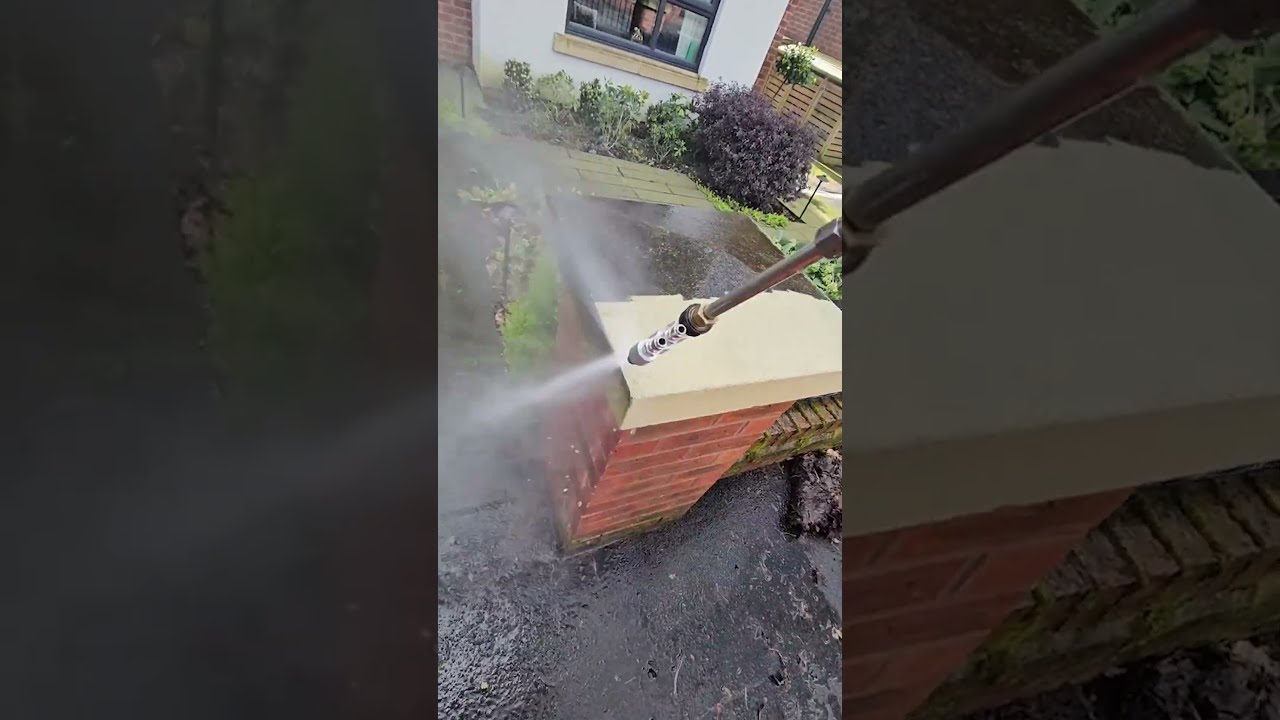
Pressure washing still has a place on hard surfaces such as concrete driveways, pavers and some brickwork. On rendered walls, however, it carries a much higher risk of damage. Even when a lower setting and wide fan tip are used, it can be difficult to control force evenly across a large wall, particularly around corners, textured areas and previously repaired sections.
Soft washing gives a more controlled outcome. It relies on chemistry and dwell time, not force, which makes it the preferred method for most rendered homes, including heritage-style properties, newer acrylic render systems and painted finishes.
What a Professional Soft Wash Involves
- Inspection: The wall is checked for cracks, loose render, failing paint and moisture-sensitive areas.
- Protection: Plants are pre-wet and covered where needed, and windows, doors, vents and electrical fittings are protected.
- Application: A tailored cleaning solution is applied at low pressure across the surface.
- Dwell time: The solution is left to break down growth and staining, with timing adjusted for weather and wall type.
- Rinse: The wall is rinsed thoroughly using gentle water flow, working from top to bottom.
- Final check: Any remaining spots are retreated and the surrounding areas are cleaned up.
Environmental and Safety Considerations in 2026
Environmental awareness continues to shape how exterior cleaning is done in 2026. Responsible operators manage runoff, protect gardens and waterways, and use biodegradable surfactants where possible. In Queensland, stormwater should not be contaminated by cleaning waste, so containment and careful application matter. Choosing a provider who follows safe chemical handling and runoff practices protects your garden, pets and neighbourhood.
Tips for Keeping Rendered Walls Clean Longer
- Trim back trees and shrubs to improve airflow and sunlight on walls.
- Check gutters and downpipes regularly so overflow does not stain or soak the render.
- Adjust sprinklers so they do not spray directly onto walls.
- Repair cracks and failed sealant promptly to stop moisture getting in.
- Schedule a soft wash every two to three years, or sooner for shaded, south-facing walls.
Should You Choose Soft Washing for Your Toowoomba Home?
For the majority of rendered homes in Toowoomba, soft washing is the best answer. It cleans deeply, protects delicate finishes and helps prevent fast regrowth, all without the risks that come with high-pressure water. It is particularly well suited to older render, painted walls and textured finishes that cannot tolerate force.
The key is matching the method to the wall. A professional assessment will confirm whether soft washing alone is enough or whether repairs or recoating should come first. Taking the gentle approach now can extend the life of your render, preserve your home's appearance and protect the value of your property well into 2027 and beyond.
Toowoomba Pressure Cleaning Pros
(07) 4646 4034